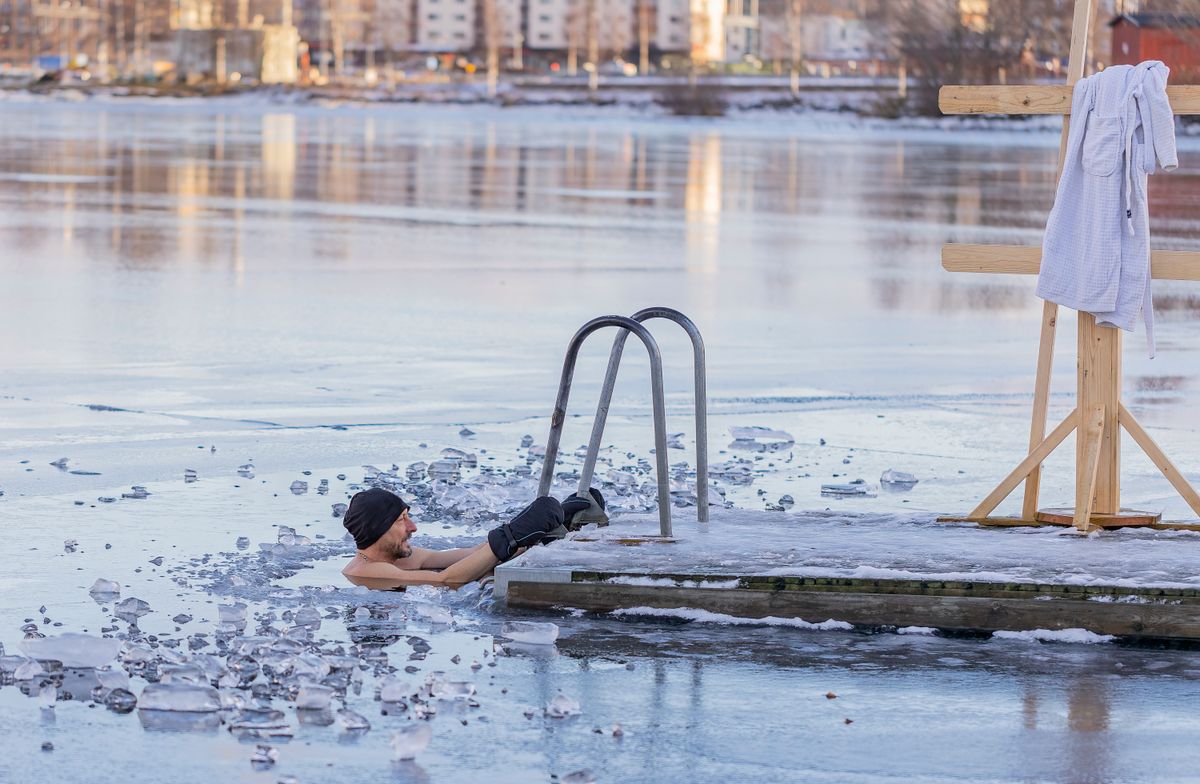
Dunking sore muscles in cold water is one of the oldest recovery tricks in sport, and one of the most misunderstood. The story people tell themselves is simple: ice equals less inflammation equals faster recovery. The real science is more interesting than that, and in one important case it points the other way. If you understand what cold actually does to a trained muscle, you can use an ice bath as a genuine tool instead of a superstition.
The short version
Cold water immersion reliably makes muscles feel less sore and less fatigued in the day or two after hard training. That part is real. The catch is that the same blunting of inflammation can also blunt the muscle growth and strength gains you were training for, if you plunge straight after lifting. So cold is a recovery aid for performance, and a brake on adaptation. Which one you get depends entirely on your goal and your timing.
What cold does to a trained muscle
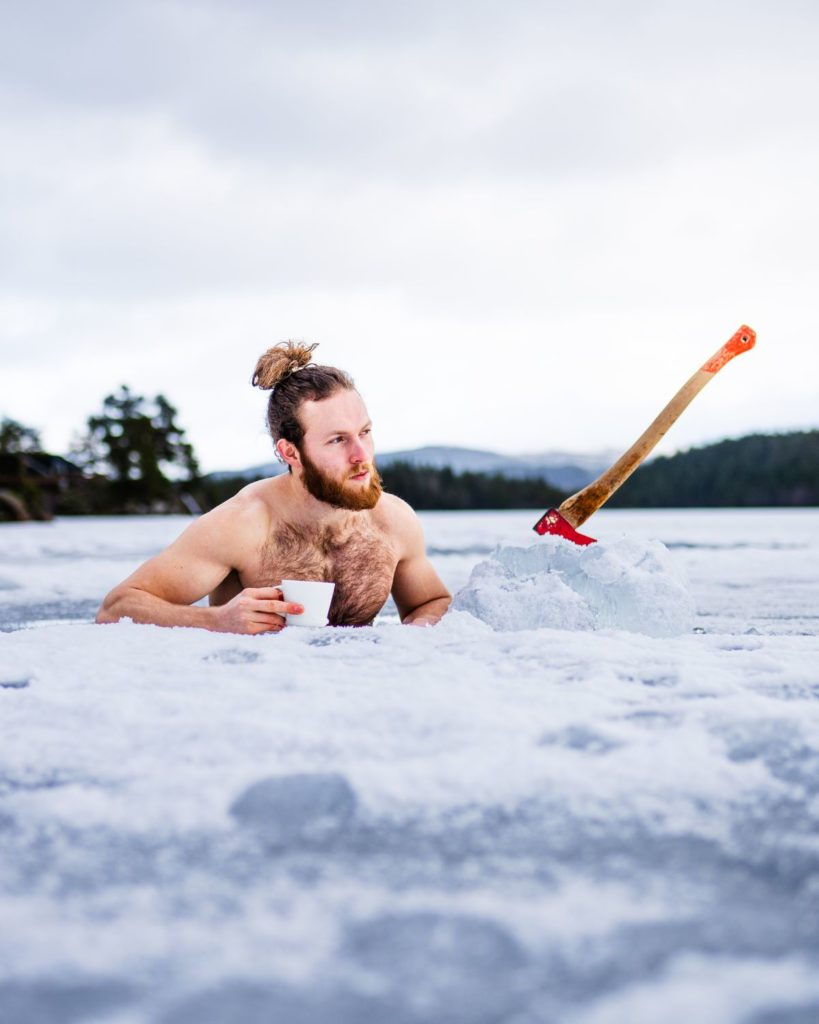
When you get into cold water, the blood vessels near the skin and in the limbs constrict, swelling drops, and the nervous system dials down its sense of soreness. A large review of the research found that cold water immersion meaningfully reduces delayed onset muscle soreness, the stiff, tender feeling that peaks a day or two after unfamiliar effort (Leeder and colleagues, 2012). For how you feel and how ready you are to perform again soon, grade this Moderate to Strong. If your next session or event is hours away, that is genuinely useful.
The catch: cold can blunt the gains
Here is the part the recovery industry rarely mentions. The inflammation you feel after a hard resistance session is not just damage, it is the signal that tells the muscle to rebuild bigger and stronger. Blunt that signal with cold at the wrong moment and you blunt the adaptation too. In a well known study, men who took a cold bath after every leg session for weeks gained less muscle and less strength than men who did an active cooldown instead (Roberts and colleagues, 2015). Grade this Moderate to Strong. If your goal is to build strength or size, an ice bath straight after lifting is working against you.
When an ice bath actually helps recovery
Cold earns its place when fast recovery matters more than long term adaptation. That covers a lot of real situations.
- Tournament or competition days with several rounds or races in one day
- Heavy training blocks where you simply need to back up again tomorrow
- Hot conditions, where cooling the body is a benefit in its own right
- In season, when you are maintaining fitness rather than chasing new gains
In all of these the priority is showing up fresh for the next effort, not squeezing out the last few percent of muscle growth. That is exactly what cold is good at. If you are new to it, start with the setup and protocol and read the safety guidance first.
When to skip it
Skip the ice bath in the hours right after a session whose whole point was to grow muscle or build maximal strength. If growth is the goal, let the inflammation do its job. Either wait four to six hours, keep the cold for rest days, or use it on your conditioning days rather than your heavy lifting days. This is a timing problem, not a reason to fear cold entirely. Women may also want to factor in where they are in the cycle, which changes how cold feels and how the body responds.
How I use it
I treat cold as a performance tool, not a daily ritual. On martial arts tournament days and in heavy training weeks I use it to back up faster, and I love it in hot weather. But I do not plunge straight after a hard strength session, because I want those gains to stick. When I want both the mental reset and the recovery without the tradeoff, I lean on contrast therapy on a separate day. For the wider list of what cold does well, see the ten benefits rundown, and if you are still deciding whether to try it at all, start with what an ice bath actually is.
Cold water is a powerful tool once you stop treating it as automatically good. Match it to your goal and your timing, and it pays off. Get the timing wrong and you quietly undo the training you just did. So before your next plunge, ask the honest question: are you recovering to perform again soon, or are you trying to grow? Your answer tells you whether to get in.
Leave a Reply