
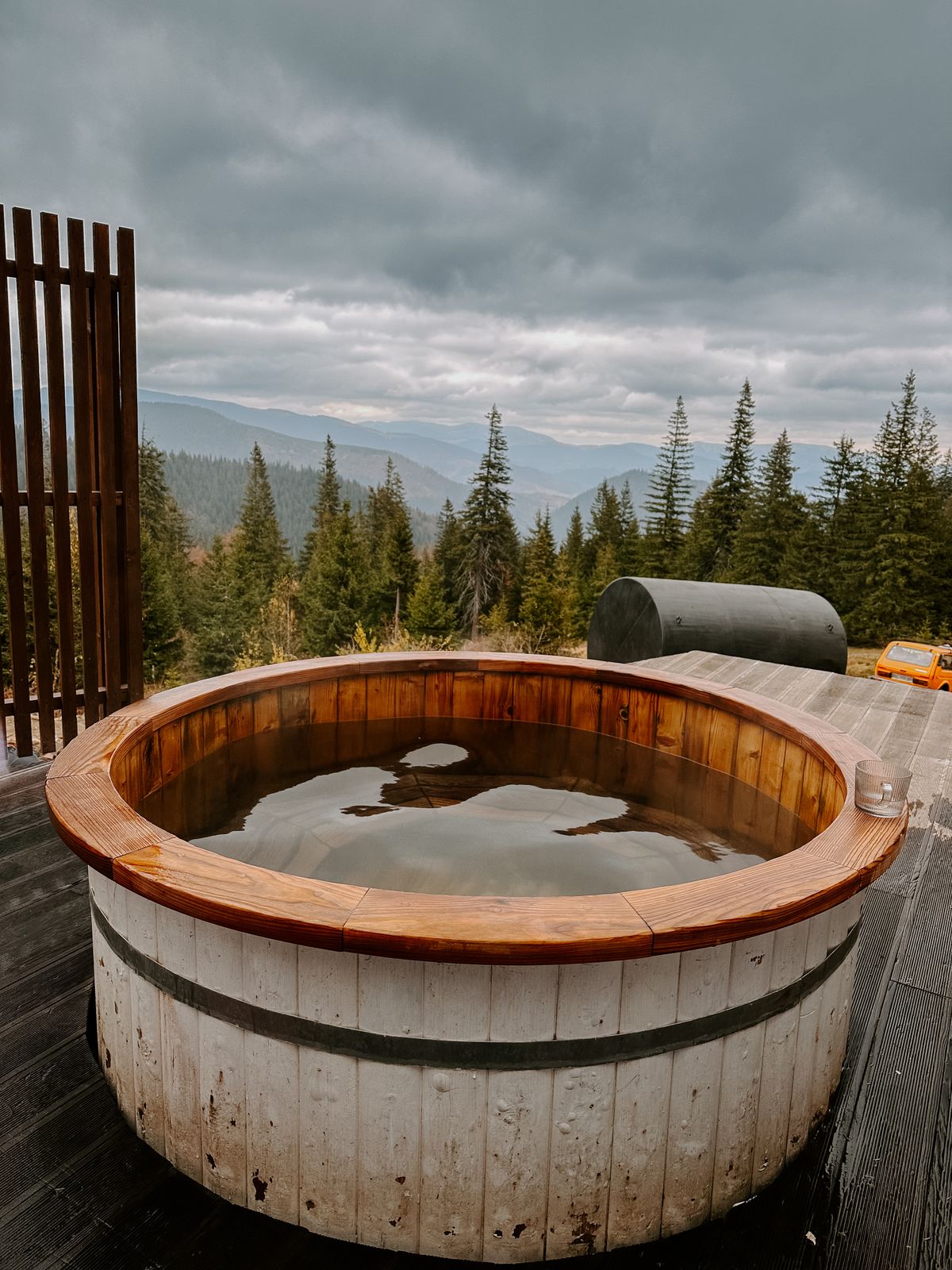
Forged by fire, cooled by ice. The fire half is easy to sell. Everyone gets hard training. The ice half is where people flinch, because lowering yourself into water cold enough to steal your breath feels less like recovery and more like a dare. That was the whole point of the “Ice Bucket Challenge” back in 2020, that shock aspect of it.
That was me the first time. I lasted about ninety seconds didn’t even submerge to the neck and climbed out swearing at 12 °C. Then I did it again the next morning, and the one after, and by the end of that first week the dread had turned into something I looked forward to, now I can safely withstand 5 mins or more in 0 °C water 3 years later.
Why that happens is the next post. First, the honest basics: what is an ice bath, actually?
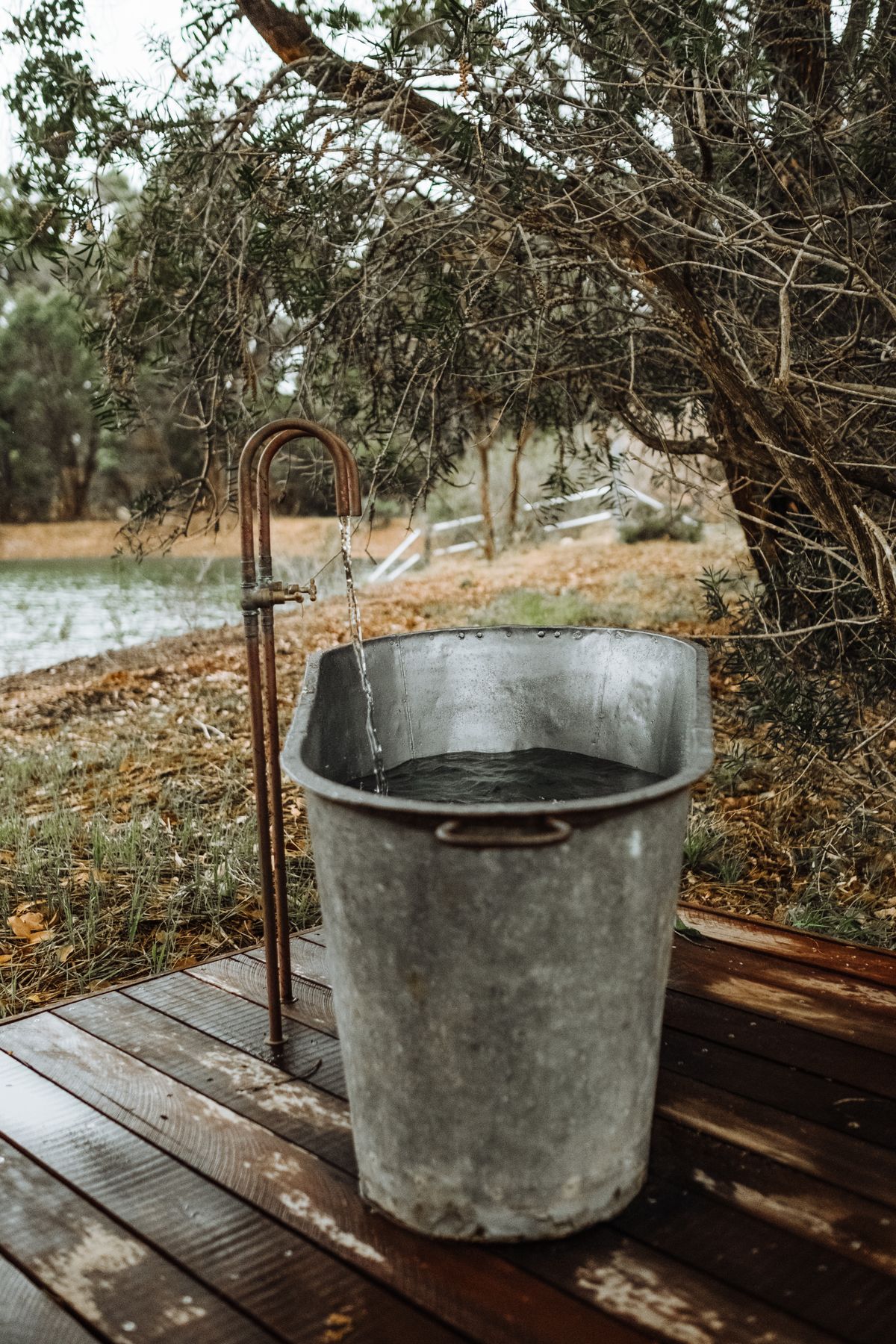
The plain definition
An ice bath is short, deliberate immersion in cold water, usually 10-15 °C (50-59 °F), for a few minutes. That’s the whole thing. A bathtub, cold tap water, and two bags of ice put you in range on day one. No chamber, no membership, no gadget.
Two numbers decide everything, and beginners get both wrong:
- Temperature doesn’t need to be brutal. The researched benefits show up in that 10-15 °C band. Colder isn’t better. Colder is mostly just riskier (Ice Bath Safety: What to Watch Out For).
- Time is shorter than you expect. Two to five minutes is plenty when you start. Even experienced cold-water people rarely need more than ten. Past that, you add danger, not reward. The rule of thumb is 1 minute per degree, it’s considered generally safe, for example 10 mins in 10 °C.
Aim to be uncomfortably cold but in control. Andrew Huberman puts it as “uncomfortably cold but safe”: water you want to get out of but know you can sit in for a few minutes. Never numb. Never panicked. Never shivering hard once you’re out.
What actually happens to your body
Go in, and you trigger the cold shock response. It’s automatic, and respecting it is the entire safety game.
First, the gasp. Your body forces a sharp inhale, then fast, ragged breathing you don’t choose. This is why you never jump into cold water. A gasp underwater drowns people.
Then vasoconstriction. Vessels near the skin clamp shut to defend your core, driving blood inward. That’s the pins-and-needles burn in your hands and feet.
Then the flood. Noradrenaline and dopamine spike. One lab study measured dopamine climbing about 250% and noradrenaline about 530% during immersion in 14 °C water (Šrámek et al., 2000). That surge is why people step out sharp, wired, and weirdly happy.
The whole skill of an ice bath lives in those first thirty seconds: override the panic with slow, deliberate breathing. Win the breath and the rest is manageable. Lose it and you’ll hate every second. If I could give a beginner one instruction, that’s it.
One more thing to expect: the after-drop. Your core keeps cooling for a few minutes after you get out, as cold blood from your limbs returns to the middle of your body. Normal, and the reason you rewarm slowly instead of diving into a hot shower (Ice Bath Safety: What to Watch Out For).
Ice bath vs. cold plunge vs. cryotherapy vs. cold shower
People use these words like they mean the same thing. They don’t.
| Method | What it is | Typical exposure |
|---|---|---|
| Cold shower | Coldest tap water, standing | 30 sec to 3 min |
| Ice bath | Tub of iced water, in to the neck | 2-15 min at 10-15 °C |
| Cold plunge | A purpose-built tub held at a set temperature | Same range, more controllable |
| Open-water swim | Cold lakes, rivers, sea | Variable, higher risk |
| Cryotherapy | A chamber cooled with nitrogen to around -110 °C | 2-4 min, dry cold |
Here’s the fact that reframes all of it: water pulls heat off your body about 25 times faster than air. A 12 °C ice bath outguns a -110 °C cryo chamber, even though the chamber number looks scarier on paper. Water also wraps you in full-body contact and pressure a shower can’t touch.
For anyone building a home recovery habit, the ice bath or cold plunge is the sweet spot: cheap to start, easy to control, and where most of the actual research happened. It’s the same order Huberman lands on too: immersion to the neck first, cold showers as the workable backup, cryotherapy as the expensive optional extra.
How I eased in, and how you should
I didn’t open with 10 °C for ten minutes. Nobody should. My ramp looked like this, and it’s what I’d hand a friend:
- Week 1: Finish every warm shower with 30 seconds of the coldest water I could take. Practice the slow breathing here, where stepping out is one turn of a tap. Making sure it hits you in the nape (back of the head)
- Weeks 2-3: Cold tap water in the tub, around 15 °C. In to the waist, then the chest. Two to three minutes.
- Week 4 on: Add ice toward 10-12 °C. Stretch to five minutes. Keep the breathing flat and controlled the whole way.
Slow, boring, repeatable. That’s the point. Boring is safe. Almost everyone who quits cold exposure went too cold, too long, too soon, and trained their nervous system to file it under misery instead of mastery.
So is it worth it, or is it hype?
Both, depending on the claim. Some benefits hold up well in the research. Others are thin, early, or genuinely mixed, and there’s one situation where a cold plunge can quietly sabotage what you trained for. I won’t blur all that together and sell it as magic.
The next post takes the top ten benefits one at a time, with the evidence attached and graded honestly.
Next: 10 Science-Backed Benefits of Ice Baths
Before you fill a tub, read Ice Bath Safety: What to Watch Out For. Cold water earns respect, and a few rules keep it firmly on the “good for you” side.
This is education, not medical advice. Cold water immersion carries real risk and isn’t for everyone, especially with a heart condition, high blood pressure, Raynaud’s, pregnancy, or any circulatory or cardiac concern. Check with your doctor before you start, and never plunge alone while you’re new to it.
Leave a Reply