
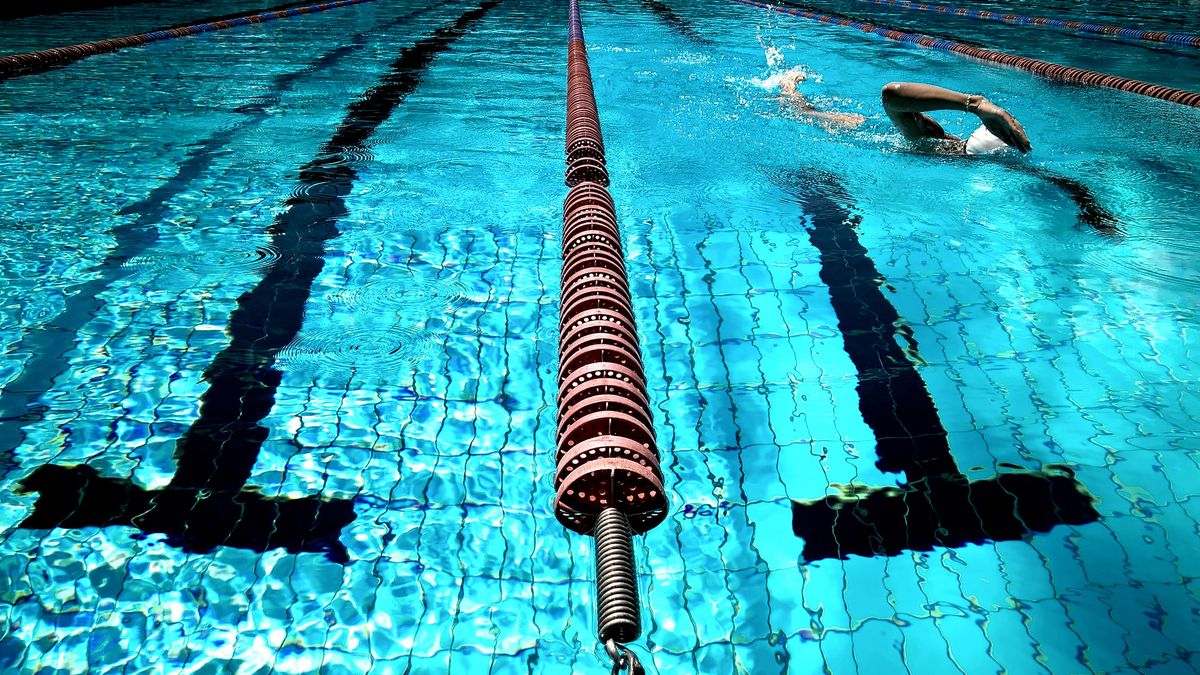
Swimming gets stuck in two boxes: elite athletes grinding out endless laps, or gentle rehab for people who cannot do anything else. Both miss it. For a normal person who wants to get fit without wrecking their joints, swimming is one of the best all-round workouts there is. Here is what it actually does for your fitness, and how to train it.
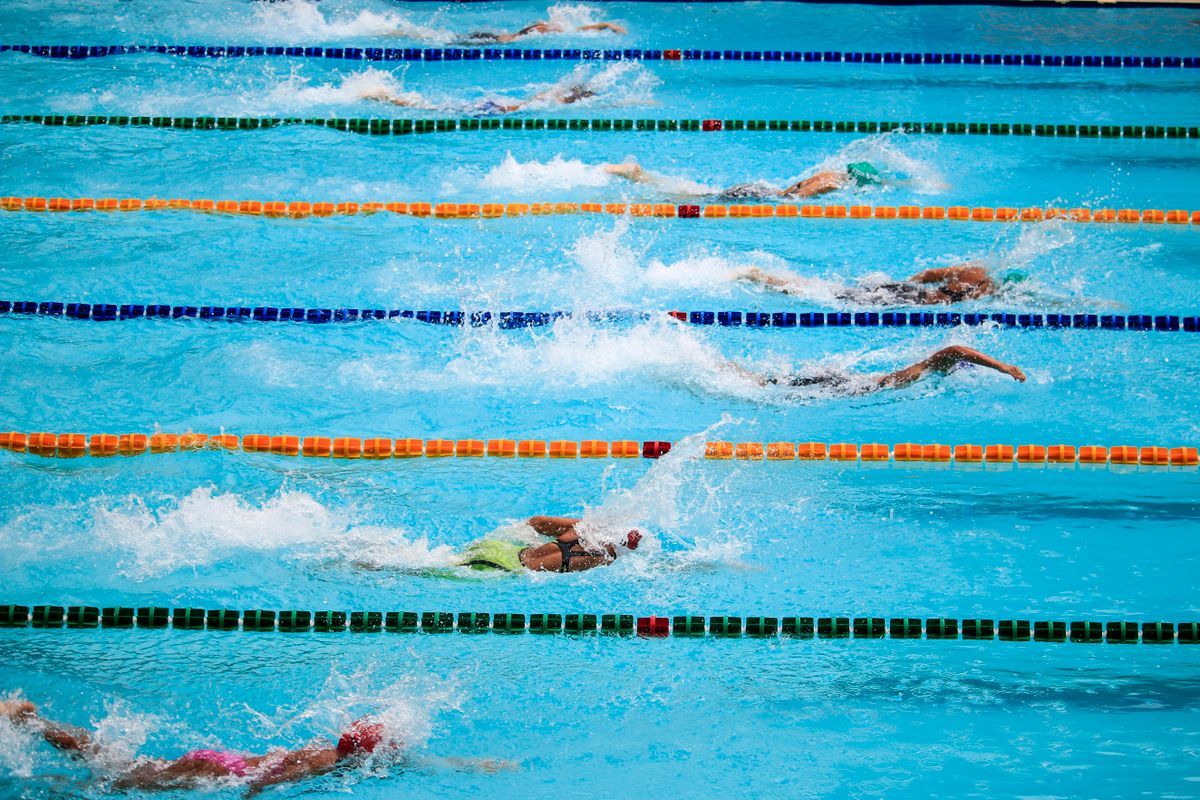
Why swimming is such a good workout
Water makes you work in a way land does not. A few reasons it punches above its weight:
Whole body. Every stroke uses your legs, core, back, shoulders and arms together. There is no leg day to remember, it is all in there at once.
Non-impact. The water carries your weight, so nothing pounds through your knees, hips and spine. That is why you can swim hard, often, and recover well, and why it suits heavier bodies and sore joints.
Cardio and muscular endurance together. A steady swim trains your heart and lungs like any cardio, while the resistance of the water builds lean, full-body muscular endurance at the same time.
Scalable. The water pushes back exactly as hard as you push it. Ease off and it is gentle, sprint and it is savage. You set the intensity on every length.
What it does well, and what it does not
Honest grading. For cardiovascular fitness, joint-friendly conditioning and full-body endurance, swimming is excellent, and the calorie burn is real, roughly 400 to 700 an hour depending on effort.
What it does not do is load your skeleton. Because water removes impact, swimming does little for bone density, and it is not the tool for building maximal strength. Keep some lifting or weight-bearing work in your week for your bones.
And the catch worth knowing: technique is the gatekeeper. Swim with a bad stroke and you will gas out in a length and blame your fitness, when it was really your drag. Fix the stroke first and your fitness has somewhere to go.
A simple weekly plan for fitness
You do not need a coach or a squad. Two or three swims a week does it:
- One steady swim of 20 to 30 minutes at an easy, could-talk-if-you-had-to pace.
- One interval swim: after a warm-up, 8 to 10 rounds of one length hard, one length easy.
- Warm up before you push, and build distance before you chase speed.
Make every length count
Do not thrash. Swim relaxed, breathe on a rhythm, and count your strokes per length so you can feel your efficiency improving. Smooth is fast, and smooth is also what lets you keep going long enough to actually get fit.
Want to swim further without gassing out? Clean up your stroke with Swimming Drills to Reduce Drag. Training to lose fat rather than just get fit? See Swimming for Fat Loss. And keep some lifting in the mix with Strength Training as You Age.
This is general fitness education, not medical advice. If you are new to exercise or have a health condition, check with your doctor before starting, and never swim alone if you are unsure of your ability in the water.
Leave a Reply