
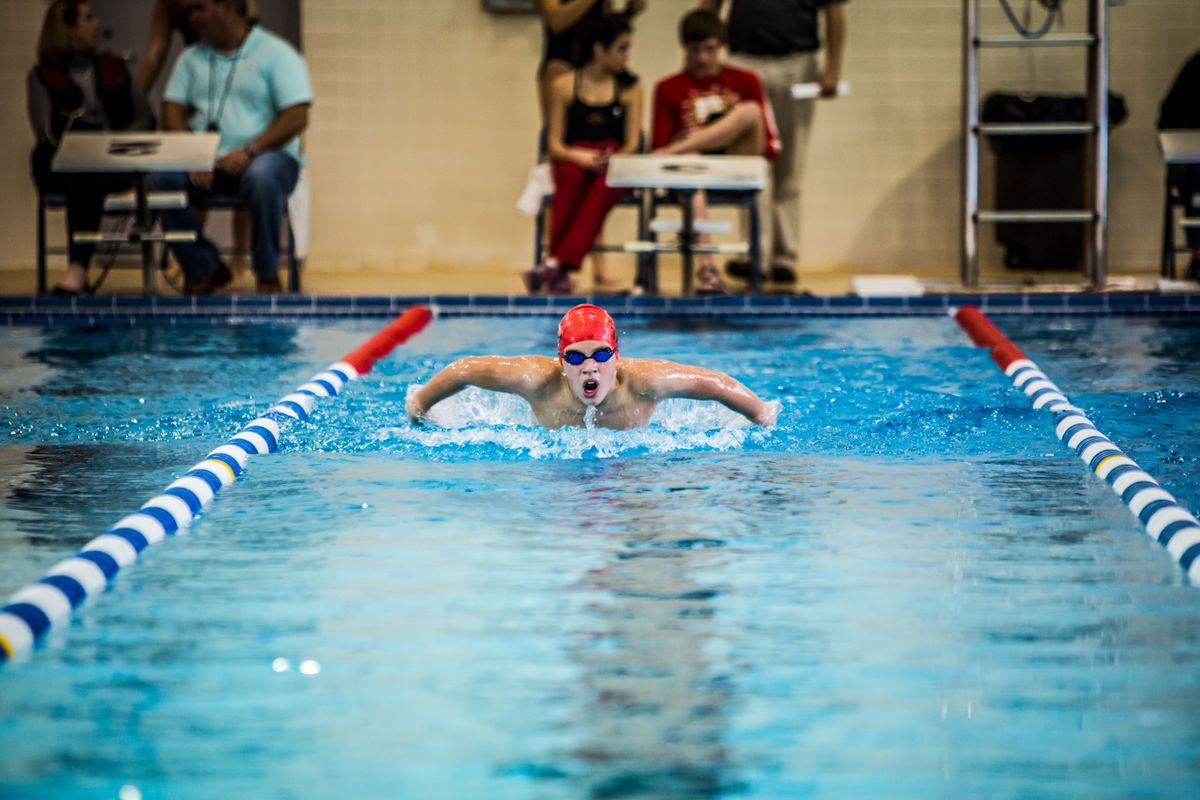
I once spent a summer swimming five mornings a week. I got fitter, my times dropped, I felt great in the water, and I lost almost no fat at all. The reason was simple and slightly embarrassing: I rewarded every session with an enormous breakfast, because swimming made me ravenous. The pool was doing its job. My fork was undoing it.
That is the whole story of swimming for fat loss in one paragraph, and people tend to skip it. Swimming is a genuinely good tool for getting leaner. It is just not the tool it is sold as, and there is a catch worth knowing before you start.
How many calories swimming actually burns
Swimming burns real energy, more than you could think of. Roughly, for a 75 kg person:
| Effort | Calories per hour (approx.) |
|---|---|
| Easy, leisurely swim | 350 to 450 |
| Steady, moderate freestyle | 500 to 600 |
| Hard, vigorous freestyle | 700 or more |
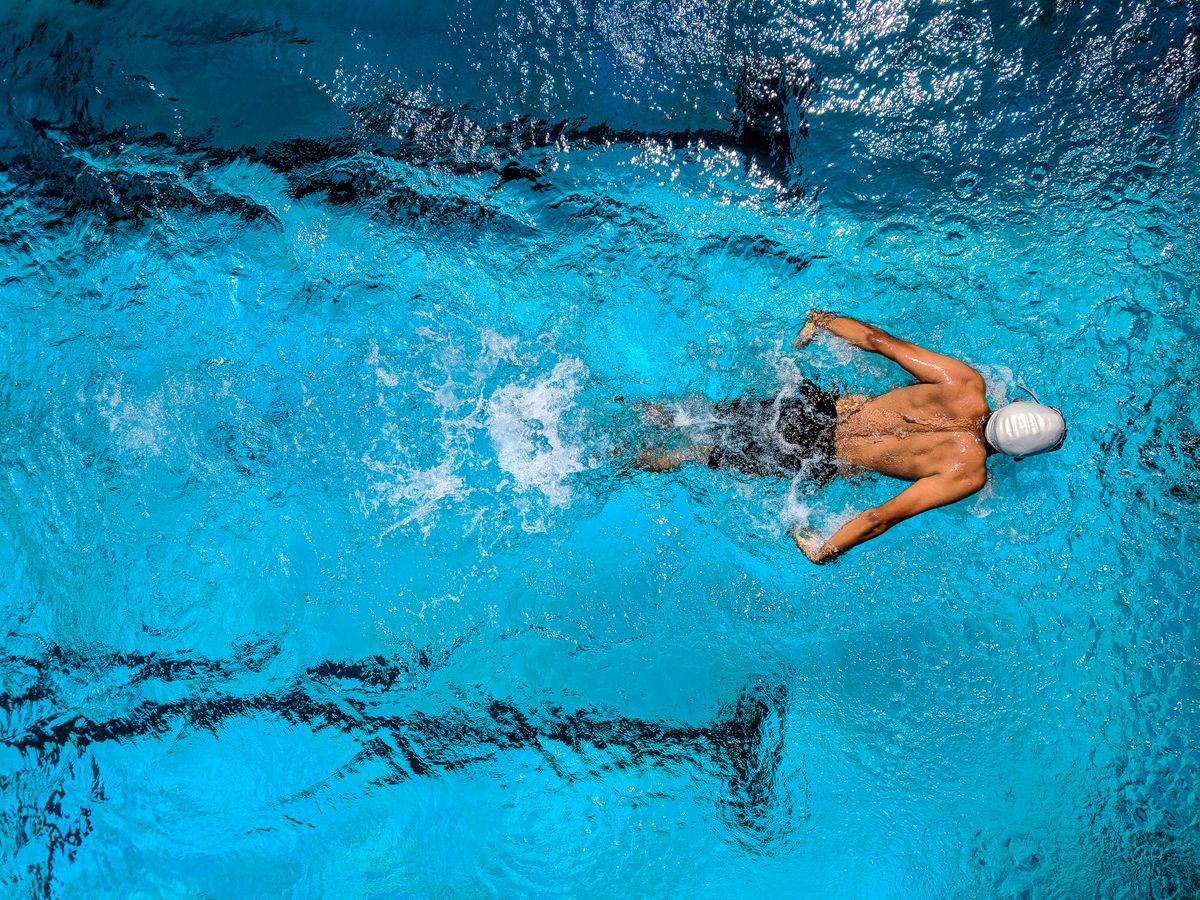
| Butterfly (if you can hold it) | 800+ |
Those are solid numbers, comparable to running for the same effort, with none of the joint pounding. If you are heavier, or your joints do not tolerate running, that non-impact quality makes swimming something you can actually keep doing, and consistency beats intensity every time for fat loss.
But here is the part that decides everything: you cannot out-swim your kitchen. Fat loss is driven by energy balance, the calories you take in versus the calories you burn across the whole day. A hard hour in the pool might burn 600 calories. A post-swim pastry and a large coffee can hand most of that straight back. The swim is not the problem. The eating around it usually is.
The appetite catch
Here is the thing that got me. Swimming, especially in cool water, seems to drive appetite harder than land exercise does. In one often-cited study (White and colleagues, 2005), people who swam in cold water ate noticeably more afterward, while the same people cycling did not. Older research comparing swimmers to walkers found the swimmers lost less weight than you would predict from the calories burned, and compensatory eating is the leading suspect.
Grade it honestly: this is plausible and worth respecting, not an iron law. Not everyone gets ravenous, and warmer pools seem to blunt the effect. But if you have ever climbed out of a cold pool and wanted to eat the vending machine, you know it is real. The fix is not to swim less. It is to plan your post-swim meal in advance so hunger does not choose it for you.
Two myths worth killing
“Swimming melts belly fat.” No. Spot reduction is not a thing, in any sport. You cannot choose where your body burns fat. Swim, eat in a deficit, and you will lose fat from all over, in an order your genetics decide, not your swim set.
“Swimming gives you a lean swimmer’s body.” Elite swimmers look the way they do from genetics, huge training volume, and diet, not from swimming being uniquely slimming. Swimming is a tool. What you eat and how consistent you are do the shaping.
Make swimming actually shift fat
Here is how I would set it up now, having learned the hard way:
- Mix intervals with steady swims. Two or three swims a week: one longer steady effort of 20 to 40 minutes, and one interval session (for example, 10 rounds of 50 meters hard with short rest). Intervals burn more per minute and leave a modest afterburn as your body recovers.
- Guard the post-swim meal. This is the whole game. Decide what you will eat before you swim, lead with protein, and do not treat the session as a license to eat back the deficit.
- Prioritize protein across the day. It keeps you full and protects muscle while you lose fat.
- Track your intake for a couple of weeks. Not forever, just long enough to see honestly whether you are actually in a deficit. Most “swimming did nothing” stories are quietly an eating story.
- Give it 8 to 12 weeks. Fat loss is slow and unglamorous. The scale over a month tells you more than any single session.
The summer I mentioned turned around the moment I stopped rewarding swims with a mountain of food. Same training, same pool, different breakfast, and the fat finally started moving.
Swimming is one of the best fat-loss tools going for the non-impact calorie burn alone. Just remember the burn happens in the pool and the deficit is won in the kitchen. Pair it with the eating side in How Much Protein Do You Need and our morning habits for belly fat post, and if you want structure in the water, start with Swimming for Fitness.
This is general fitness and nutrition education, not medical or dietary advice. If you have a health condition, are pregnant, or are planning a significant change in diet or training, check with your doctor or a registered dietitian first.
Leave a Reply