
A video crossed my feed the other day with a big promise: before 9am tomorrow, millions of people will flip a hidden “switch” that makes their body store belly fat, and they will do it before eating a single bite. Cue the ominous music. As someone who tests this stuff on himself and reads the actual studies, my first reaction was an eye roll. My second, after digging in, was more interesting. Buried under the hype, a few of the claims are genuinely worth knowing.
So here is the honest version. Your body does not have a literal on-off fat switch that flips before breakfast. But the video’s underlying idea has a real kernel: the first hour after you wake sets a hormonal tone, your cortisol rhythm, your insulin sensitivity, your appetite, that carries through the rest of the day. Get those signals wrong and fat loss feels harder. Get them right and it gets a little easier. This is about signals, not calories or willpower.
Let me separate what holds up from what is influencer noise. I will grade each one: Strong means good evidence, Moderate means real but limited, Thin means barely, or oversold.
Grabbing your phone before your feet hit the floor (Moderate for stress, Thin for fat)
Your phone is your alarm, so your first act of the day is a hit of email, news and notifications. Here is the kernel of truth: cortisol naturally rises in the first 30 to 45 minutes after you wake, a normal jolt called the cortisol awakening response. Your brain cannot tell the difference between a stressful email and a genuine threat, so piling stimulation on top of that natural spike pushes you into a low-grade survival mode first thing.
A 2025 study in PNAS Nexus had people block mobile internet on their phones for two weeks, and their attention and mental wellbeing improved noticeably. Real effect, worth respecting. The honest part: none of that proves a morning scroll makes you store belly fat by breakfast. Chronic stress does track with more visceral fat over time, and visceral fat is more responsive to cortisol than fat elsewhere, which is where the “cortisol belly” idea comes from, so the mechanism is not made up. But it is a slow, cumulative thing, not a switch you flip before brushing your teeth. Skip the doom-scroll because it is good for your head and your focus. The waistline benefit, if any, is a distant bonus.
Coffee before water (Thin for fat, but an easy win)
You just spent eight hours breathing out moisture with no water, so you wake up mildly dehydrated. Most people reach straight for coffee. I love coffee, but leading with a stimulant on a dry, just-woke system is why some people feel jittery and starving by 10am. A lot of late-morning “hunger” is thirst in a costume.
Two easy fixes. First, water before coffee, ideally with a pinch of salt or an electrolyte, because you also lose sodium overnight and plain water alone can leave you feeling flat. Second, there is a reasonable case for holding your first coffee until about 60 to 90 minutes after waking rather than the instant you open your eyes. The logic: caffeine early stacks on that cortisol peak and can set you up for a harder afternoon crash. The evidence here is more mechanism and lived experience than hard proof, so I file it under “worth trying,” not law. More on getting hydration and minerals right is in the hydration post.
Never getting morning light (Strong for your clock, Promising for metabolism)
This is the most underrated item on the list, and it is free. Your body runs on a roughly 24 hour clock, your circadian rhythm, and that clock helps set your cortisol and melatonin timing and even influences how your body handles sugar through the day. Most people never set it. They wake in a house lit by bulbs, drive to an office, and sit under artificial light, so their body never gets a clear signal that the day has started.
Get real daylight into your eyes in the first hour instead, sunglasses off, for ten to thirty minutes, and you anchor that clock. The circadian and sleep benefits are solid. There is also research linking daytime light exposure to better insulin sensitivity, and bright light at the wrong time in the evening to worse blood sugar after meals, so light is plausibly a metabolic lever too, not just a mood one. I walk outside first thing, coffee in hand, and it is the single habit I would keep if I could keep only one.
The “healthy” high-carb breakfast (Moderate)
Here is the one that stings, because you have been sold it your whole life. Cereal, oatmeal, the granola and orange juice, the low-fat yogurt with fruit at the bottom, the wholesome muffin. A lot of “healthy” breakfast is dessert in a health-food costume. A big pile of fast carbs first thing spikes blood sugar, your body releases insulin to deal with it, and about ninety minutes later you crash, foggy and reaching for another snack. Repeat that and you ride a blood-sugar rollercoaster all day.
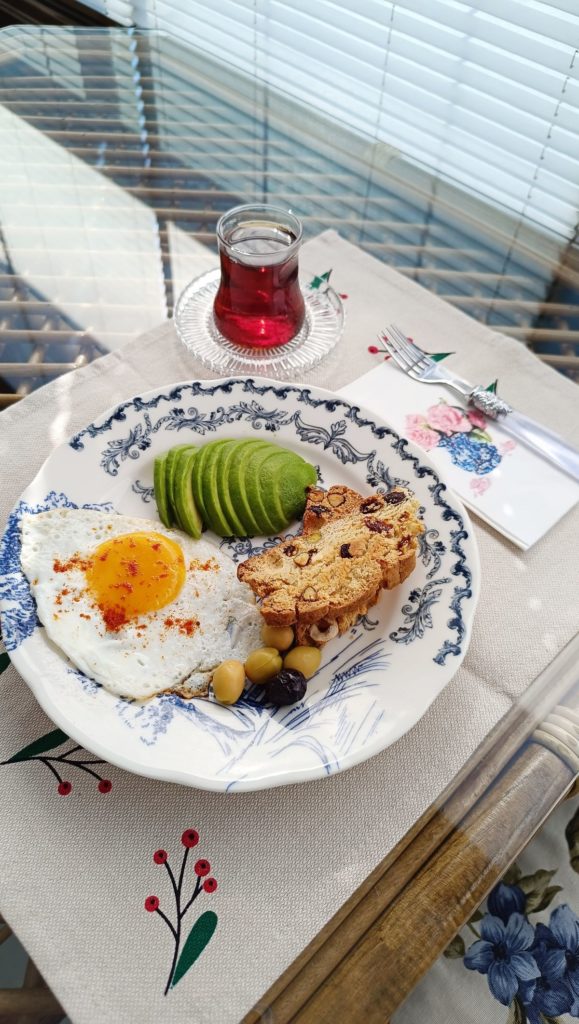
Protein first changes the shape of the day. In a University of Missouri study, a high-protein breakfast reduced the brain signals tied to food cravings, and other research has women eating protein rather than carbs at breakfast losing more weight and waist. The point is not that breakfast is bad or that carbs are evil. It is that what you eat first sets your appetite for hours. Lead with protein. If you want the full case for how much protein and why it matters more as you age, that is its own post.
The rest: movement, minerals, and light at night (Moderate, with one Thin)
The remaining habits are variations on the same theme, small signals that compound.
- Sitting still all morning (Moderate). A short walk or a few minutes of easy movement after you eat helps your muscles pull glucose out of your blood, which blunts the spike and the crash. It does not need to be a workout. Ten minutes counts, and it pairs perfectly with your morning light walk.
- Skipping your minerals (Moderate). Overnight you lose water and sodium. Rehydrating with plain water and nothing else can leave you flat and, oddly, still thirsty. A pinch of salt or a proper electrolyte fixes it.
- Bright light late at night (Moderate). The same clock that morning light sets gets disrupted by bright screens and lights in the evening, which has been linked to worse blood sugar the next day. Dim the last hour before bed so the morning light lands on a rested clock.
- Grounding, barefoot on the grass (Thin). Some routines add “grounding” here. The evidence for the bare feet specifically is thin. The real win is the outdoor walk and the daylight, so do that and treat the grass as a nice-to-have, not a fat-loss tool.
The honest bottom line
None of these is a secret switch, and anyone selling you one, usually right before pitching a supplement, is counting on you not reading the studies. Your morning habits are the polish, not the foundation. The foundation is still your overall food, your protein, your sleep and your training. Get those right and the morning tweaks make a real, if modest, difference. Get them wrong and no sunrise walk will save you.
My first hour, step by step
For the record, here is the routine I actually run. Nothing exotic, and you can fit the whole thing inside the first hour.
- No phone for the first 30 minutes. Let your own cortisol rhythm do its job before you add anyone else’s stress.
- A big glass of water with a pinch of salt or an electrolyte, before anything else.
- Outside for daylight, sunglasses off, ten to thirty minutes. Walk if you can.
- Move a little. The walk counts. So do a few easy minutes of anything.
- A protein-led breakfast, not a carb pile.
- Coffee at the 60 to 90 minute mark, not the second you open your eyes.
- Keep last night dim so this morning’s light lands on a rested clock.
It is boring, it is repeatable, and it works because I actually do it.
Want more of the honest, hype-free version of wellness? Read how much protein you actually need, or how cold and heat really affect stress and mood in the ice bath benefits and sauna benefits posts.
Education, not medical advice. If you are dealing with stubborn weight, ongoing fatigue or blood-sugar concerns, talk to your doctor rather than a video.
Leave a Reply