
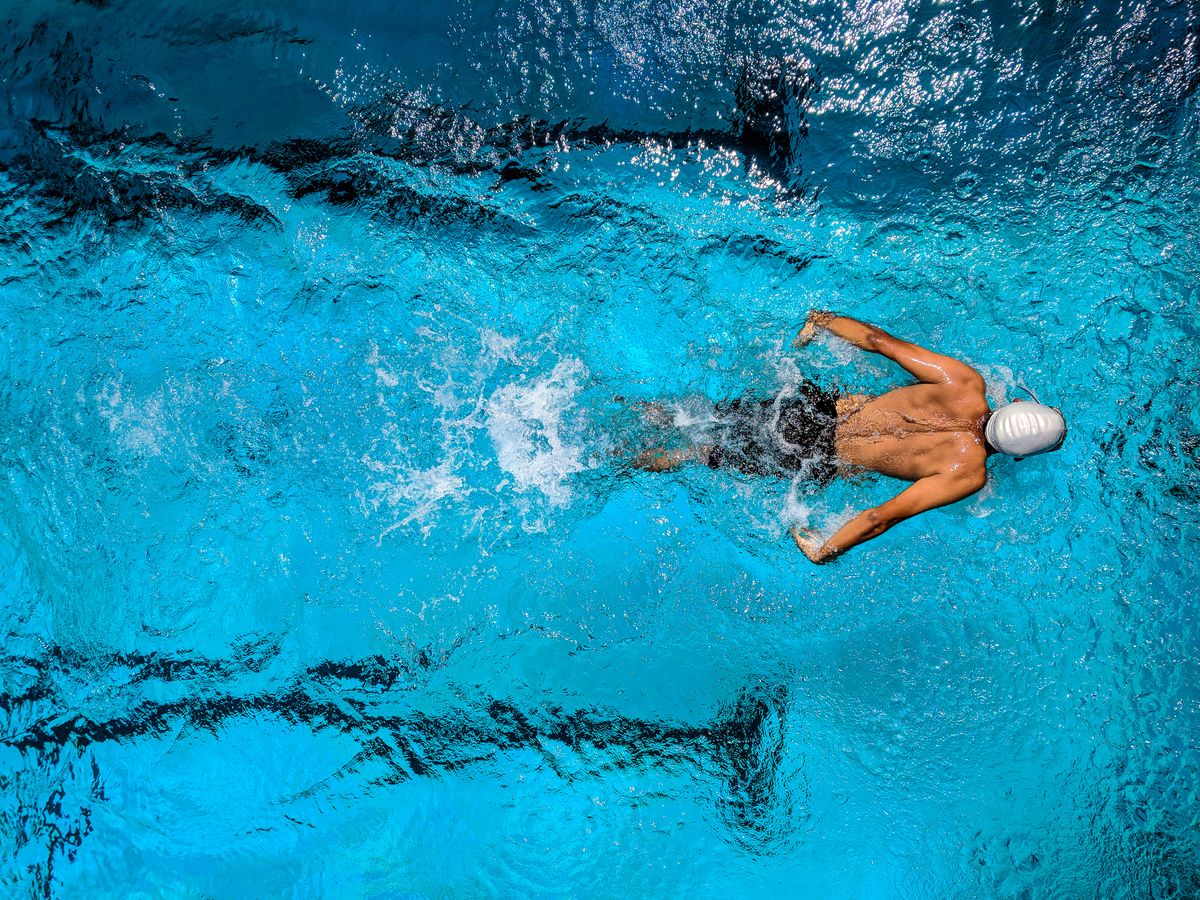
You do not get faster in the water by pulling harder. You get faster by being harder to slow down. That sounds like a riddle until you look at the physics: drag rises with roughly the square of your speed, so every time you try to swim faster, the water pushes back disproportionately harder. Add power to a sloppy body position and most of it goes into making a bigger hole in the water. Fix the body position and the same power carries you further.
That is why the best speed drills are drag drills. They are not glamorous. They will not feel like a hard workout. But they are where the free speed lives, and I have watched them knock real seconds off my own times without me getting one bit stronger.
Drag is the enemy, not weakness
Three forces slow you down in the water:
- Form drag, the pressure of water hitting your frontal area. Sinking legs and a lifted head make this huge. It is the biggest one to fix.
- Wave drag, the energy you waste making waves at the surface. It grows fast as you speed up, which is why a tight streamline off the wall matters so much.
- Friction drag, water gripping your skin and suit. The smallest of the three, and the one shaving your legs or buying a tech suit targets.
It is easy to pour all your effort into your arms while leaking speed from form drag you cannot even feel. Get long, flat, and balanced first. The arms matter, but they matter second.
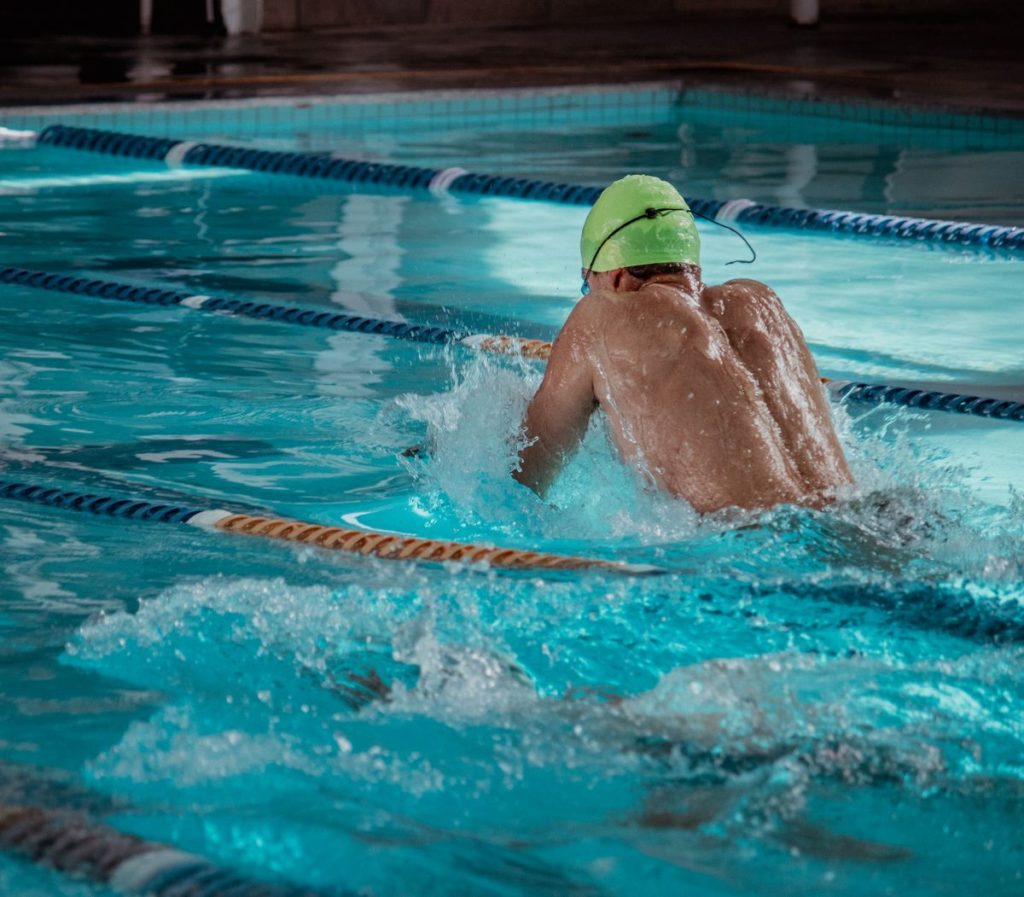
Fix your body line first (the biggest payoff)
If you only ever do one category of drill, make it body position. These build the long, level shape that cuts form drag:
Streamline glide (torpedo). Push off the wall, hands stacked, biceps squeezing your ears, core tight, and just glide. See how far one push carries you. This is the fastest, lowest-drag shape your body can make, and off every wall you get to use it for free. The instinct is to come up out of it two metres too early. Fight that.
Press the chest, lift the hips. In freestyle, lean very slightly on your chest and keep your head neutral, eyes down. Your hips and legs float up behind you. A dropped head sinks the legs and turns you into a plough.
Kick on your side. Push off on your side, bottom arm extended, top arm at your side, and kick while looking at the bottom. Then roll and switch. This teaches the rotation and long line that low-drag freestyle is built on.
Drills for a cleaner catch and less drag
Once your body line is flat, these clean up the stroke itself:
| Drill | What it fixes | How to do it |
|---|---|---|
| Fingertip drag | High elbow recovery, relaxed arm, straight tracking | Drag your fingertips along the surface on every recovery |
| Catch-up | Long front-quadrant timing, over-gliding | One arm waits out front until the other hand meets it |
| Single-arm | Catch, rotation, and breathing on one side at a time | Swim with one arm, the other extended, then switch |
| Fist swimming | Feel for the water with your forearm, not just the hand | Swim with closed fists for a length, then open up |
| Sculling | The catch, the feel of pressing water backward | Small figure-eight hand sweeps out front, no pull |
Fingertip drag is the one that fixed me. I had a crossover, my hand entering past my centre line, which made me snake down the lane and fight my own drag. Dragging my fingertips forced a higher elbow and a straighter recovery, my hand started entering where it should, and my 100 time came down without any new fitness. The drill exposed the fault. Repetition wired the fix.
Turning drills into speed
Drills build the shape. These turn the shape into pace:
- Count your strokes per length and try to hold the same count as you swim faster. That is distance per stroke, and protecting it is the whole game.
- Use a tempo trainer to raise your stroke rate a notch at a time without collapsing into a short, frantic stroke.
- Streamline hard off every wall and add a few dolphin kicks underwater before you break the surface. In a race the underwater can be your fastest few metres.
- Swim descending sets (each repeat a little faster) so you rehearse holding your form as the effort climbs, which is exactly when it falls apart.
The honest part
Body position and streamline are not opinions, they are physics, and they give the biggest return for the least strength. That part is as close to guaranteed as swimming gets. The stroke drills are different: a drill only helps if you know what fault it is fixing. Swim fingertip drag mindlessly for a decade and you get very good at fingertip drag and nothing else. Do it knowing you are chasing a high elbow and a straight entry, and it transfers.
So film yourself, or wear a sensor, find the one fault costing you the most, and pick the drill that targets it. Then do that drill with intent, not as a warm-up you sleepwalk through.
Not sure where your stroke is leaking speed? A swimming sensor or a phone video from the deck will show you fast. And if you are still building the basic stroke, start with Freestyle Technique before you chase drills.
This is technique guidance, not medical advice. If a drill causes shoulder or neck pain, stop and get it checked before you train through it.
Leave a Reply