
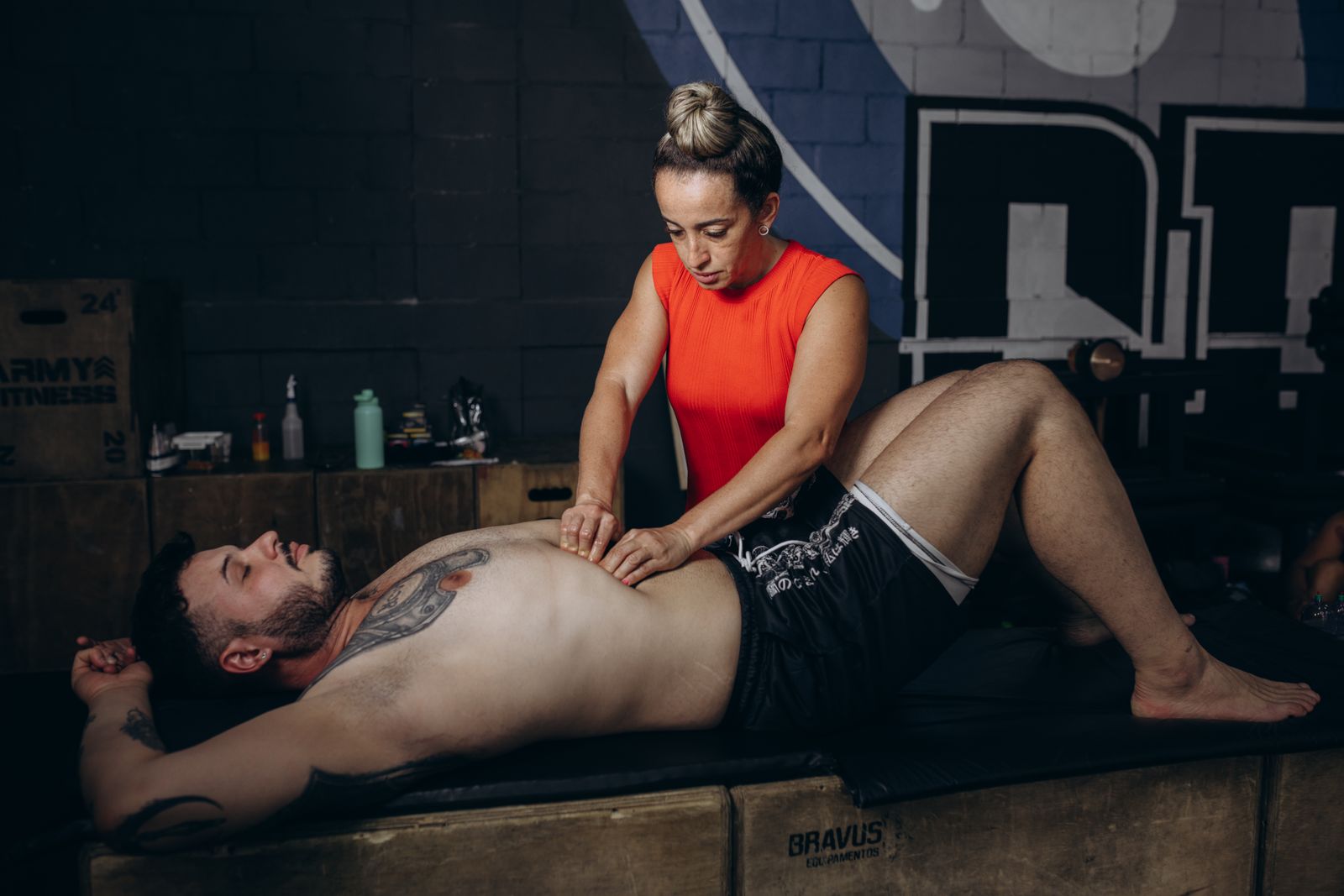
The usual way onto a sports massage table is that something already hurts. A tweaked hamstring, a shoulder that will not settle, a calf that has been grumbling for a fortnight. The massage becomes damage control, a thing you do when the wheels have come off. That is a waste of what it can actually do. I book mine on a fixed schedule whether anything hurts or not, and it has done more for my training than any single piece of kit. Here is the case for treating it as maintenance, not repair.
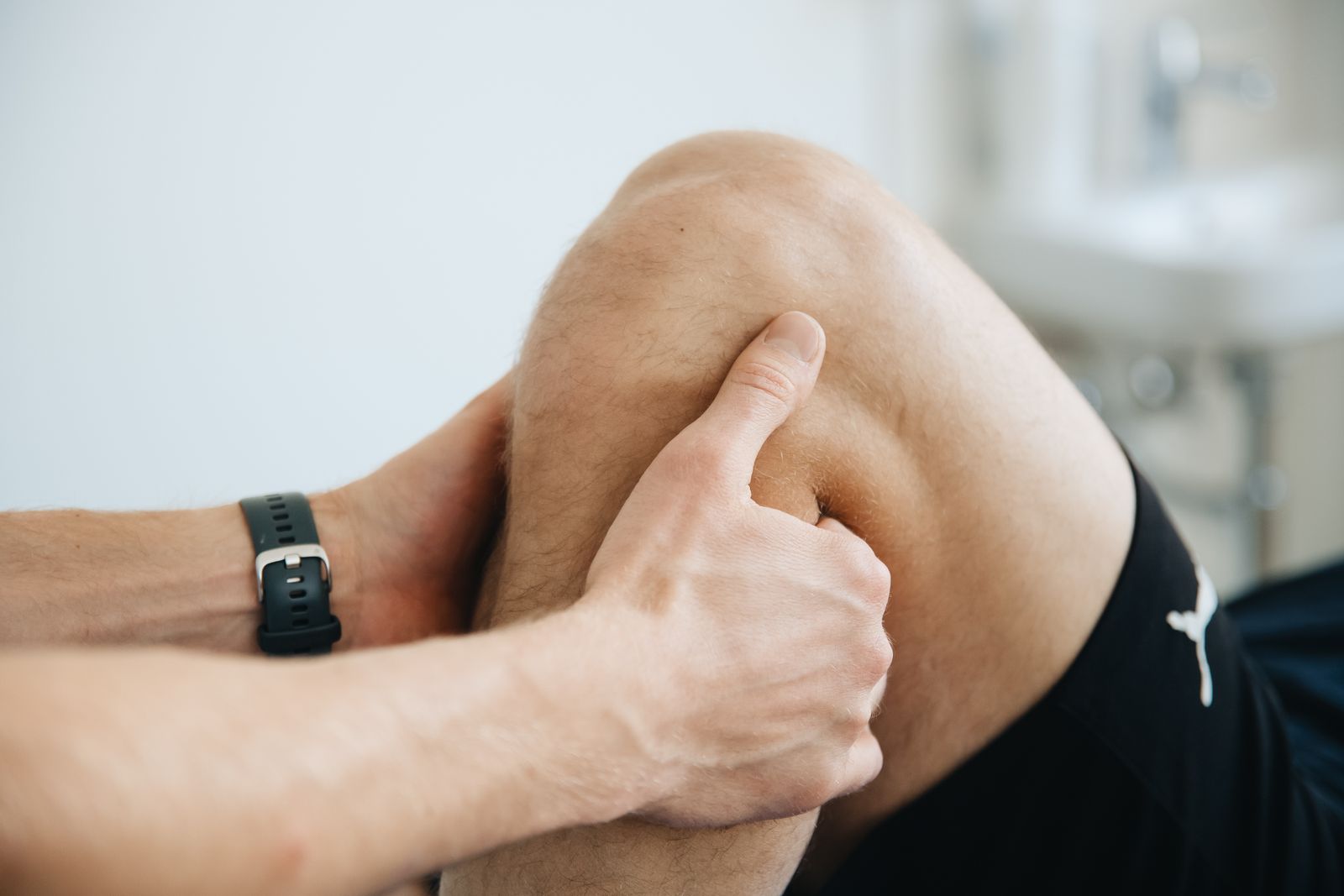
The difference between fixing and maintaining
Waiting for pain means you only ever address problems once they are big enough to shout. By then the tight tissue has already changed how you move, and you have probably been compensating for weeks. A regular cadence flips it. You catch the small stuff, the beginnings of a knot, the side that is quietly tighter than the other, before it becomes the thing that pulls you off training for a month. It is the difference between servicing the car and waiting for the engine light.
What a regular rhythm actually does
The benefits are not mysterious, and I will keep them honest rather than oversell them.
Circulation. Firm massage moves blood and lymph through tissue that a hard session has left congested. Better flow in, waste products out. It is one of the reasons you often feel looser and lighter the day after, once the initial tenderness passes.
Muscle tension and tightness. This is the big one. Training loads muscles, and loaded muscles hold tension, especially the ones you overuse. Massage releases that held tone directly, and a fortnightly release stops it stacking up into the chronic tightness that limits you.
Range of motion. Tight tissue is short tissue, and short tissue moves through a smaller arc. Free it up regularly and your joints get their full range back. For me that shows up as a cleaner squat depth and a shoulder that rotates without catching, both of which feed straight back into training quality.
Injury prevention. No massage makes you injury-proof, and I will not claim it does. But a lot of soft-tissue injuries start as a small imbalance that nobody addressed: one side tighter, one muscle doing another’s job. Regular hands-on work is one of the better ways to find and settle those before they turn into a tear. Think risk reduction, not a force field.
Recovery. Getting back to hard training sooner, feeling fresher between sessions. When you train consistently, the tissue never gets a full reset on its own. A scheduled massage gives it one, on purpose, rather than hoping a rest day sorts it.
Stress. Not a soft add-on. Sustained physical tension and mental stress feed each other, and an hour of someone working the knots out of your back genuinely drops your nervous system down a gear. I leave the table calmer, and I sleep better that night. That is experience, not a trial, but it is consistent enough that I count it.
How I actually use it
I do a 90-minute session every two weeks, booked in like any other training commitment, not squeezed in when something hurts. Ninety minutes matters. A quick half hour on one area is fine for a specific niggle, but the longer session lets the therapist work the whole chain, legs, back, shoulders, the lot, and find the tight spots I did not know I had. Every fortnight is my sweet spot: often enough that tension never really accumulates, spaced enough that each session has real work to do.
The honest part is that some of those sessions I walk in feeling completely fine. Nothing hurts, nothing is obviously wrong. Those are often the most useful ones, because the therapist finds the tightness that had not yet become pain, and we deal with it while it is still small. That is the whole idea. If I only went when I hurt, I would never get that.
Making it a habit worth keeping
A few things that make the maintenance approach stick rather than fizzle:
- Book it on a schedule, not on symptoms. Put the next one in the diary before you leave the table. Fortnightly or monthly, pick a rhythm and defend it.
- Give it enough time. A proper session beats a rushed one. If budget is the limit, less frequent but longer usually beats frequent and short.
- Speak up on the table. Tell the therapist what you have been training and where you feel tight. The session gets far more targeted when they know what you have been doing.
- Expect a little tenderness, not pain. Deep work can leave you tender for a day. Sharp pain is not the goal and never was.
You do not need to be injured to earn a place on the table. That is the reframe. Treat sports massage the way you treat sleep or easy runs, as a normal part of training rather than a repair job, and you spend a lot less time actually broken.
For the longer view on why this matters more as the years add up, see Sports Massage for Healthy Aging and Mobility. And if you want the person I trust with mine, here is my review of David Lucas’s practice in Stratton Audley.
Leave a Reply