
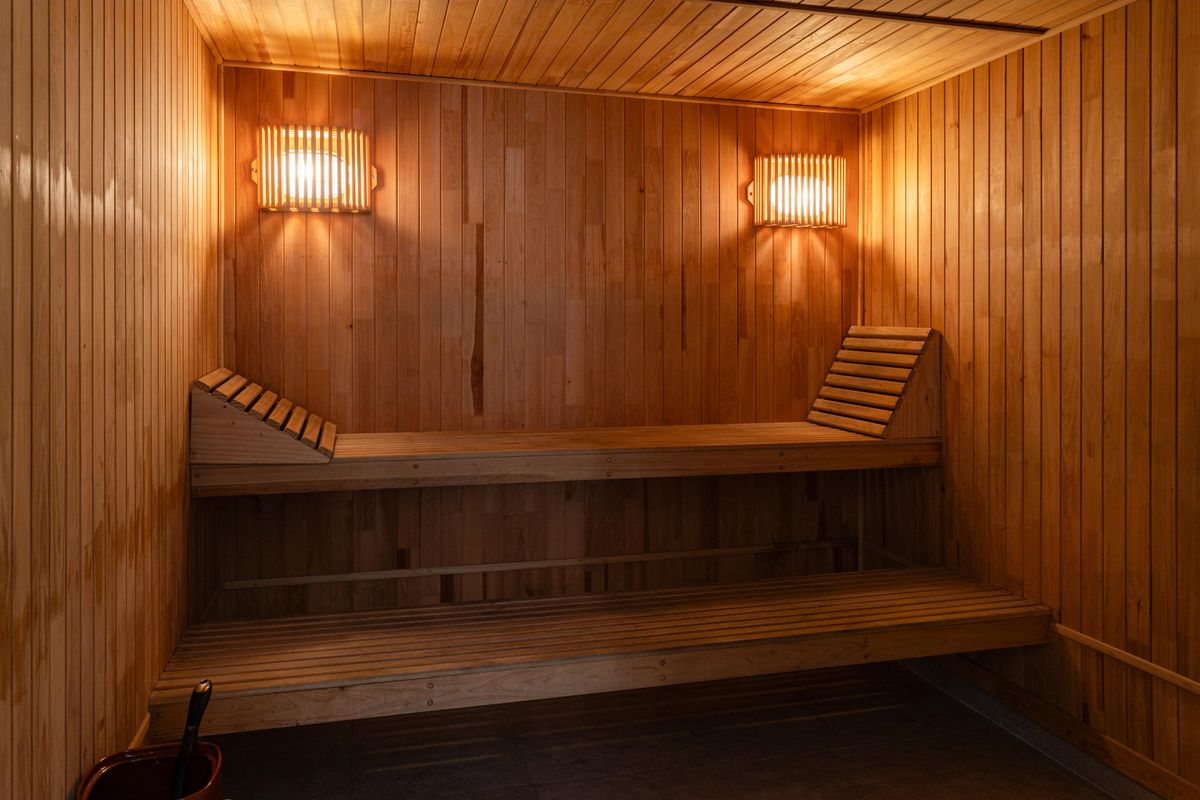
A sauna looks like the ultimate indulgence: you sit still in the heat and do nothing. But that quiet box does more measurable good for the body and the mind than almost anything else you can do while doing nothing. Treated as a regular practice rather than an occasional treat, heat is one of the most underrated wellness tools we have, and the evidence behind it is stronger than most people realise.
The short version
Regular sauna use is linked to better cardiovascular health and a longer life, and it reliably lowers stress and lifts mood in the short term. The physical benefits come from consistency, not from the odd session. The mental benefits arrive the moment you sit down and let the heat force you to stop. Both are real, and they reinforce each other.

The physical case
Heat is a mild, useful stress. Your heart rate climbs, your blood vessels widen, and your body works to cool itself, which looks a lot like gentle cardiovascular exercise. The most striking evidence comes from a long study of Finnish men, where those who used a sauna four to seven times a week had markedly lower rates of cardiovascular death and all cause death than those who went once a week (Laukkanen and colleagues, 2015). This is observational data, so it cannot prove cause on its own, but the dose response pattern and the supporting clinical reviews make it hard to dismiss. Grade it Moderate to Strong. For the full breakdown, see what the science actually says.
The mental case
The mind benefits are quicker and more obvious. Heat nudges the nervous system toward its rest and recover state, muscles let go, and the body releases the feel good chemistry that leaves you calm and a little foggy in the best way. People consistently report lower stress, better mood, and easier sleep on the nights they use a sauna. Grade this Moderate. Part of it is physiological and part of it is the simple, rare act of sitting somewhere you cannot check your phone.
Why the ritual matters
The wellness effect is not only chemical. A sauna enforces a pause. For ten or fifteen minutes there is nothing to do, nowhere to be, and no screen to look at. In a life built around inputs, that enforced stillness is itself the medicine. The people who get the most from a sauna are the ones who treat it as a standing ritual, a few times a week, rather than a rare reward. Consistency is what turns it from a nice sweat into a genuine health habit.
Getting the practice right
You do not need to suffer to benefit. A sensible session is about the routine, not the extremes.
- Aim for a few sessions a week rather than one heroic one
- Ten to twenty minutes at a comfortable heat, building up over time
- Drink water before and after, and step out if you feel dizzy or unwell
- Finish gently, or add cold if you want the contrast
If you are setting up a practice, the protocols that actually work post covers frequency and duration in detail, and if you are buying one, infrared versus traditional will save you a costly mistake. For the biggest mental reset, pair the heat with cold: contrast therapy is my favourite way to use both.
How I use it
For me the sauna is an evening wind down and a mental reset after a heavy training week. I go a few times a week, keep the sessions comfortable rather than punishing, and use it as the one part of the day where I am genuinely unreachable. When I want the full effect I follow the heat with a cold plunge and let the swing between the two do its work. It is the rare habit that is good for the heart and good for the head at the same time.
A sauna asks almost nothing of you and gives back a surprising amount, for the body and the mind alike. The only real requirement is that you show up regularly. So the honest question is not whether saunas work. It is whether you will make the time to sit still. Could your week take a few quiet sessions in the heat?
Leave a Reply