
If you are about to spend real money on a home sauna, one question stalls everyone: infrared or traditional? Here is the short answer before the detail. The strongest health research, the heart and longevity data, was done on traditional high-heat saunas. Infrared is gentler, easier to sit in, and shows promise for pain and recovery, but its long-term evidence is thinner. The best sauna is still the one you will actually use several times a week.
They heat you in completely different ways
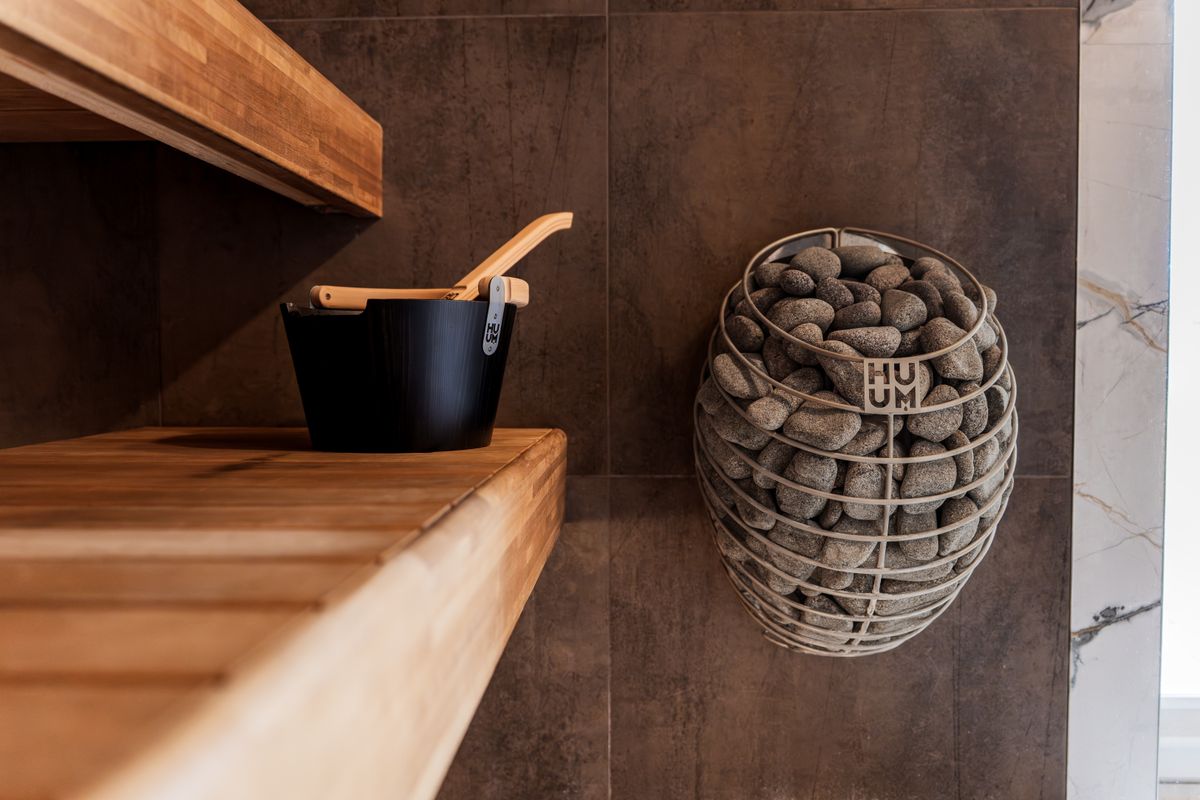
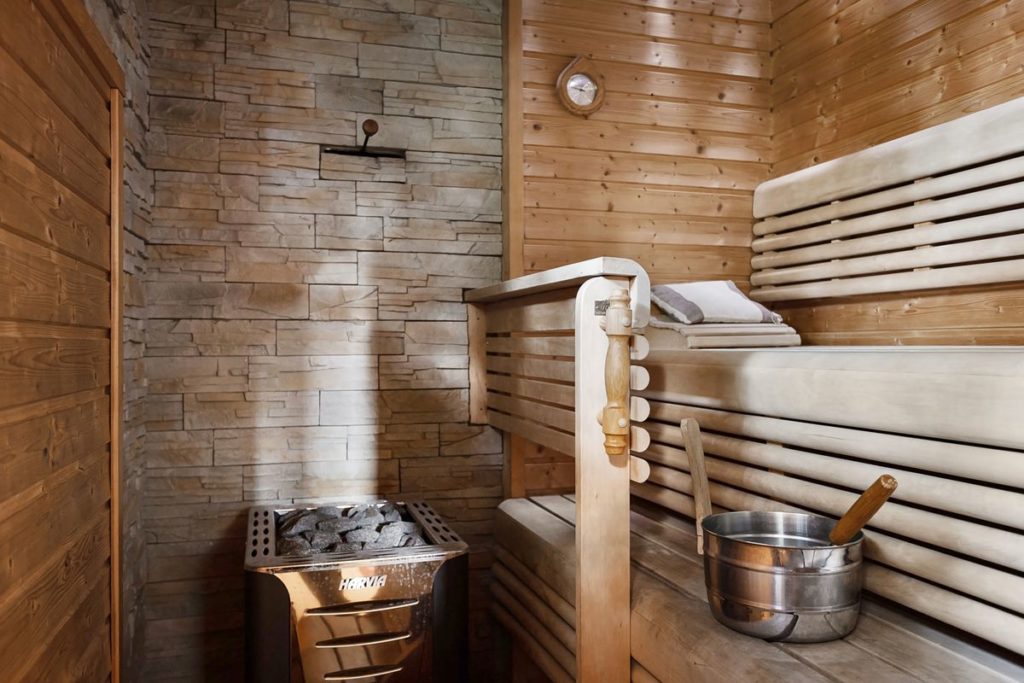
A traditional sauna heats the air to 80-100°C, and that hot air heats you. The room is an oven and you sweat because of it. Infrared skips the air and uses infrared light to warm your body directly, so the room stays cooler, around 45-60°C, while you still sweat. Same goal, two routes: heat the room, or heat the person.
What the evidence actually favours
Traditional owns the research. The Finnish mortality data, roughly 40-50% lower cardiovascular death at 4 to 7 sessions a week, comes from hot traditional saunas. Infrared has smaller studies for pain, stiffness, and recovery, and fans like the idea of deeper direct heating, but there is no long-term mortality data for it. As the Huberman Lab material points out, many infrared units do not even reach the temperatures the benefit studies used. Honest read: traditional for the researched longevity case, infrared as a gentler recovery tool.
Tolerability matters more than you think
Here is the catch with traditional: 90°C is genuinely hard, and if it is so unpleasant that you skip sessions, you get none of the benefit. Infrared’s lower heat lets heat-sensitive people, or anyone easing in, sit longer and go more often. For something you are doing for years, consistency beats intensity. A sauna you use three times a week beats a hotter one you dread.
The practical buying checklist
- Space and install: traditional needs ventilation and often a dedicated heater circuit; many infrared cabins run off a normal outlet.
- Heat-up time: traditional takes 30 to 40 minutes to get hot; infrared often reaches a usable temperature faster.
- Running cost: the high-wattage traditional heater usually costs more per session.
- Capacity: how many people, and can you sit high enough to catch the heat.
- EMF: some infrared buyers care about electromagnetic fields; if you do, look for a low-EMF model.
My take
If you can handle real heat and you want the benefits the studies measured, buy traditional. If heat wrecks you, or you mainly want gentle recovery and relaxation, infrared is a fair choice. And if you are not ready to spend, do not wait. A hot bath, a hot tub, or a session at a public sauna gets you most of the way while you decide. The Huberman material makes the same point, that a hot bath counts.
Once you have picked one, read How to Use a Sauna for the protocols, and Sauna Benefits for what the heat is actually doing.
Leave a Reply