
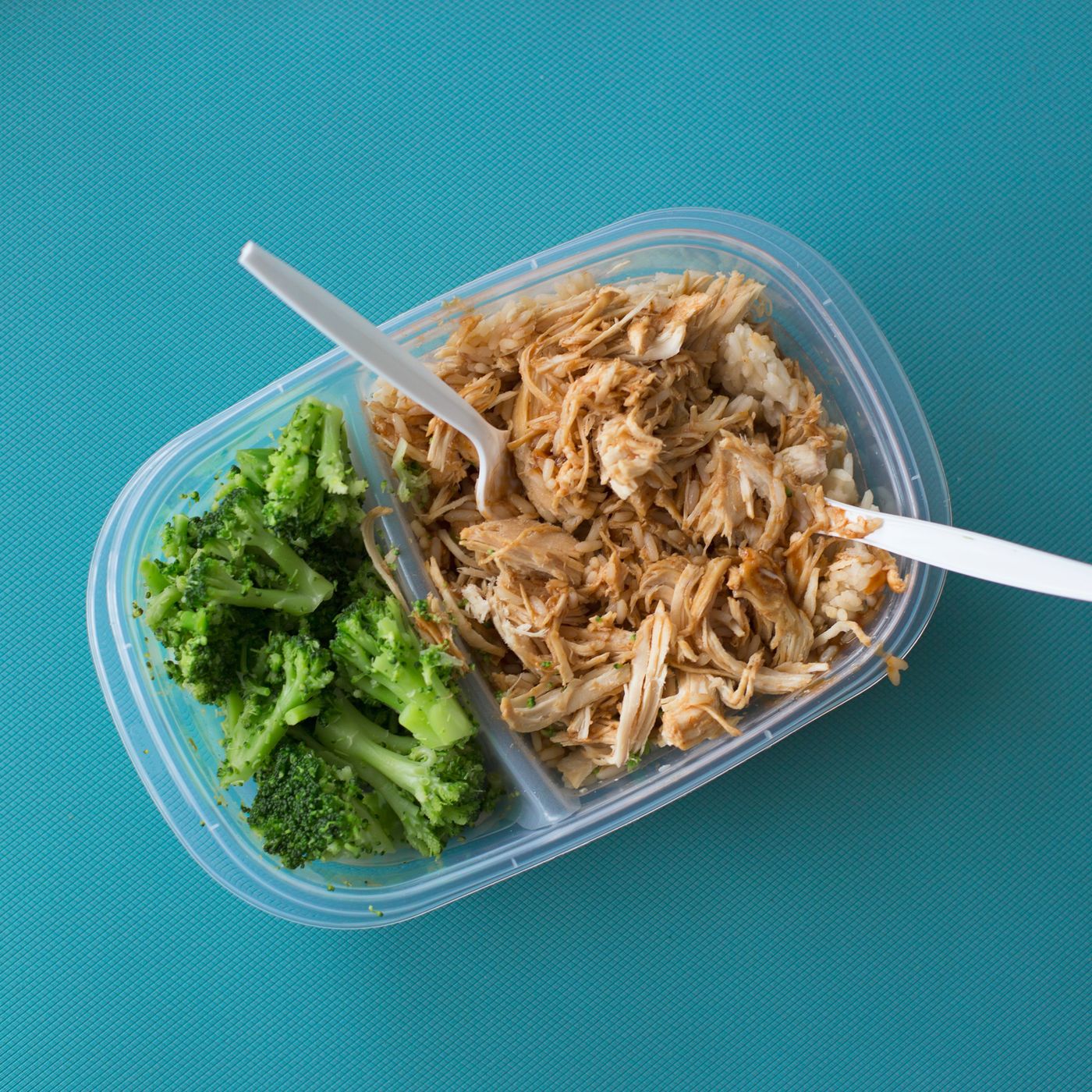
Walk into any gym and the nutrition conversation is about supplements. Which pre-workout, which protein blend, whether the anabolic window has slammed shut. Almost none of it is what is actually holding people back. The gap between where they are and where they want to be is nearly always protein, total calories and consistency, in that order.
Here are the nutrition strategies that move the needle on fitness goals, ranked by how much they matter.
1. Hit your protein, and stop guessing
This one has the cleanest evidence of anything in sports nutrition. Morton and colleagues pooled 49 studies covering 1,863 people in the British Journal of Sports Medicine in 2018 and found the gains from protein plateau at around 1.62 g per kg of bodyweight per day. Above that, the pooled data shows nothing extra.
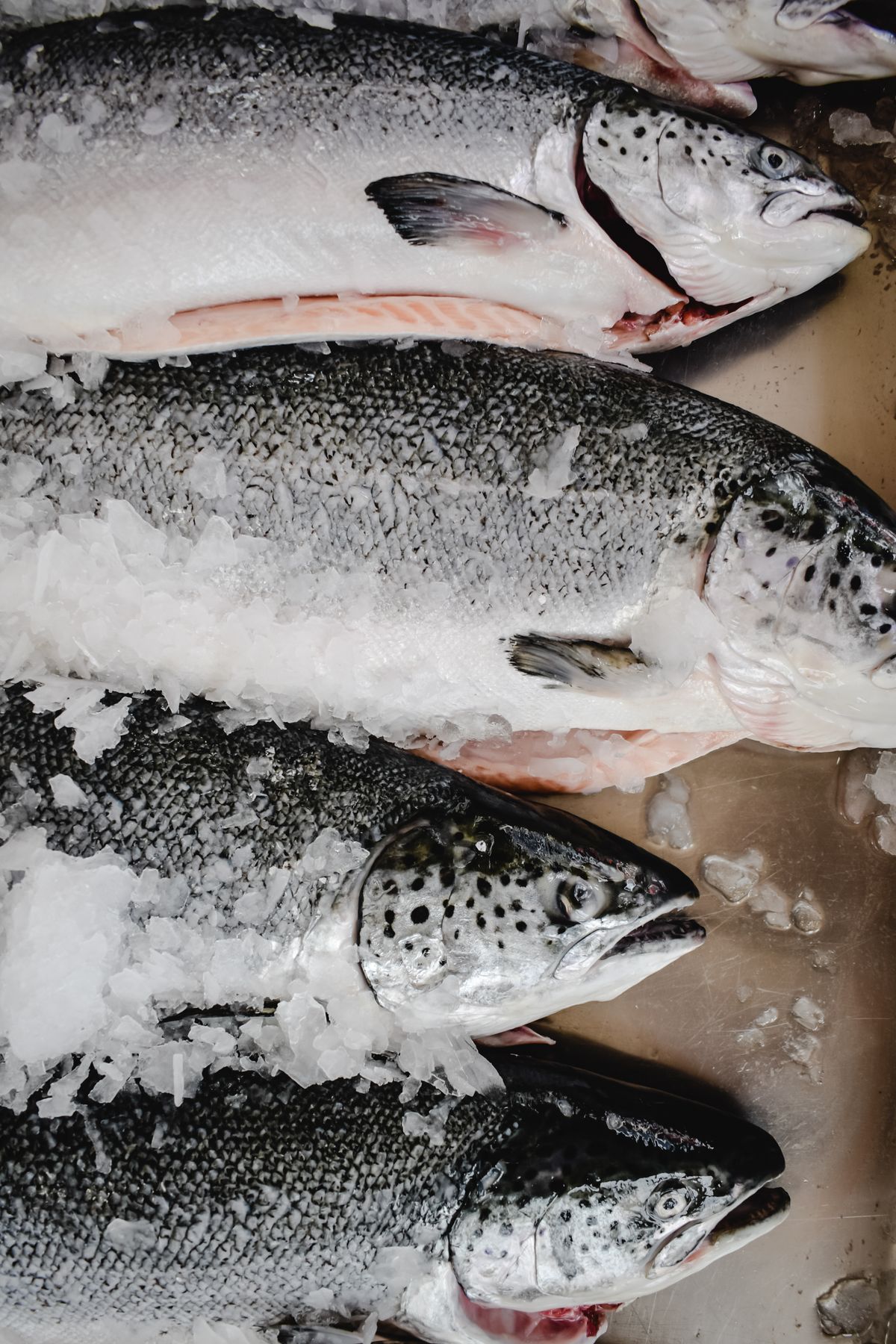
For an 80 kg person that is roughly 130 g a day. Spread it across three or four meals rather than loading it all at dinner, because you cap out at about 0.4 g per kg per sitting for muscle protein synthesis.
Powder is convenient, not magic. Eggs, chicken, fish, dairy, lentils and tofu all count identically.
2. Match calories to the goal you actually have
Be honest about the goal. You cannot chase a personal best and a six pack in the same eight weeks, and trying to is why most training blocks go nowhere.
Building. A small surplus, roughly 200 to 300 calories over maintenance. Bigger than that and you are mostly buying fat.
Leaning out. A deficit of 300 to 500 calories, protein kept high so you lose fat rather than the muscle you spent months earning.
Performing. Eat at maintenance and stop dieting. Chronic under-eating is one of the most common reasons a block stalls, and in endurance athletes it is the fast route to injury and wrecked hormones.
3. Carbohydrate around the sessions that need it
Carbs are fuel, not a moral failing. For anything under an hour, whatever you ate earlier covers it. Past 60 to 90 minutes of hard work, take 30 to 60 g of carbohydrate an hour, and if you are going properly long, a glucose and fructose mix pushes that towards 90 g because the two absorb by different routes.
I keep mine dull. Porridge before a long run, a banana or a gel on the way round, a real meal after.
4. Drink to thirst, and salt the long ones
Hydration advice has swung from far too little to obsessive. Drink to thirst. If you are out for over 90 minutes, especially in heat, take sodium rather than plain water. Pouring in water alone while you sweat salt is how people end up hyponatraemic, and that is a genuine emergency rather than a bad afternoon.
5. Then, and only then, supplements
Creatine monohydrate is the exception worth taking. 3 to 5 g a day, no loading phase needed, one of the most heavily studied supplements in existence, and it helps strength and repeated high-intensity work. Vitamin D through a British winter is sensible, ideally after a blood test.
Everything else on the shelf is optional at best. If your protein and calories are not sorted, no powder is going to rescue them.
What to actually do this week
Take your bodyweight in kilos and multiply by 1.6. That is your protein target. Track it honestly for seven days, not with an app forever, just long enough to learn what your normal actually looks like.
Then pick one goal for the next eight weeks and eat for that one.
Wondering what the sweeteners in your protein shake are doing? See Artificial Sweeteners: Why Are They Bad For You?
This is general nutrition education, not medical or dietetic advice. If you have a medical condition, are pregnant, or have any history of disordered eating, speak to a registered dietitian or your GP.
Leave a Reply