

The fastest way to ruin your progress is not a bad program. It is six weeks off with a tweaked back because you added 20 kg you had not earned. I have done exactly that. I pulled a deadlift with too much weight and too little bracing, felt the twinge, ignored it, and spent the next month unable to tie my shoes without wincing. The lift was not the problem. My ego was.
Here is the reassuring part first: lifting is one of the safer things you can do with your body. Studies put the injury rate for recreational strength training at roughly 2 to 4 injuries per 1000 hours, well below most field and contact sports. Most gym injuries are not dramatic accidents. They build up slowly from a handful of avoidable habits, which means they are mostly in your control.
Where gym injuries actually come from
Strip away the bad luck and almost everything traces back to five causes:
- Too much load, too soon. Adding weight faster than your tendons and technique can adapt.
- Poor technique under fatigue. Form that falls apart on the last reps.
- No real warm-up. Going straight to heavy work cold.
- Ignored pain. Training through a warning sign until it becomes an injury.
- Too little recovery. Not enough sleep, food, or rest days, so nothing repairs.
The most common casualties are the lower back, the shoulders, and the knees, and they usually get hurt gradually, not in one heroic moment.
The habits that prevent them
None of this is complicated. It is just boring enough that people skip it.
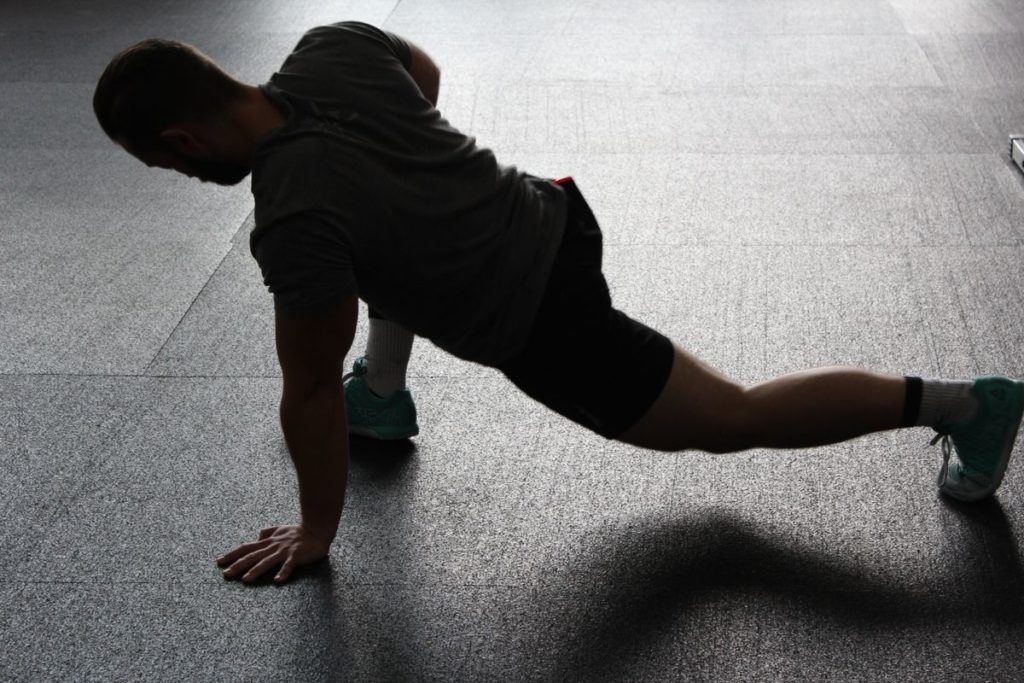
1. Warm up with intent. Five minutes to raise your temperature, then ramp-up sets on your first big lift: the empty bar, then progressively heavier, before your working weight. Warming up will not injury-proof you on its own, but cold heavy lifting is asking for it.
2. Add load slowly. Progressive overload is the goal, but slow is the operative word. Small, regular increases beat big jumps every time. If a weight moves like a grinding fight, it is not time to add more.
3. Technique before ego. Learn the lift, film yourself from the side, and fix the fault before you chase the number. Nobody in the gym is watching your weights as closely as you fear.
4. Full range, controlled tempo. Move through a full range you can control, no bouncing, no heaving. Cheating reps just move the stress onto joints that did not sign up for it.
5. Leave reps in the tank most of the time. You do not need to grind to failure every set. Keeping one or two reps in reserve protects your form and your joints while still driving progress. Deload every few weeks when things feel heavy.
6. Balance your training. For every pushing exercise, pull. Train the muscles you cannot see in the mirror. Give your hips, shoulders, and upper back a little mobility work. Imbalances are where overuse injuries breed.
7. Learn the difference between discomfort and pain. A hard set burns and shakes. That is discomfort. Sharp, pinching, or joint pain is a signal, not a challenge. Stop the set, do not push through it.
Quick reference: cause and fix
| Common problem area | Usual cause | The fix |
|---|---|---|
| Lower back | Rounding under load, no bracing, ego weight | Brace hard, own the weight, drop the load |
| Shoulders | All press, no pull; poor overhead position | Balance push and pull; build overhead mobility |
| Knees | Rushing load on squats, poor tracking | Control the descent, progress slowly |
| Elbows / tendons | Volume added too fast | Ramp volume gradually, deload when sore |
Recovery is part of training, not a break from it
You do not get stronger in the gym. You get stronger recovering from the gym. Skimp on sleep, under-eat, and train every muscle every day, and you are just accumulating fatigue until something gives. Rest days are not lost days. They are when the work pays off.
Train like you want to still be training in ten years, because that is the actual goal. The person who lifts slightly less but never gets hurt beats the person who lifts more and spends every other month injured. Every time.
If soreness and stiffness are your main issue rather than injury, the cold and heat side of recovery is covered in our recovery methods posts, and dialling in how much protein you need does more for tissue repair than most people expect.
This is general education, not medical advice. If you have pain that lingers, worsens, or comes with swelling or numbness, see a doctor or physiotherapist rather than training through it.
Leave a Reply